
takeda’s vb kam®
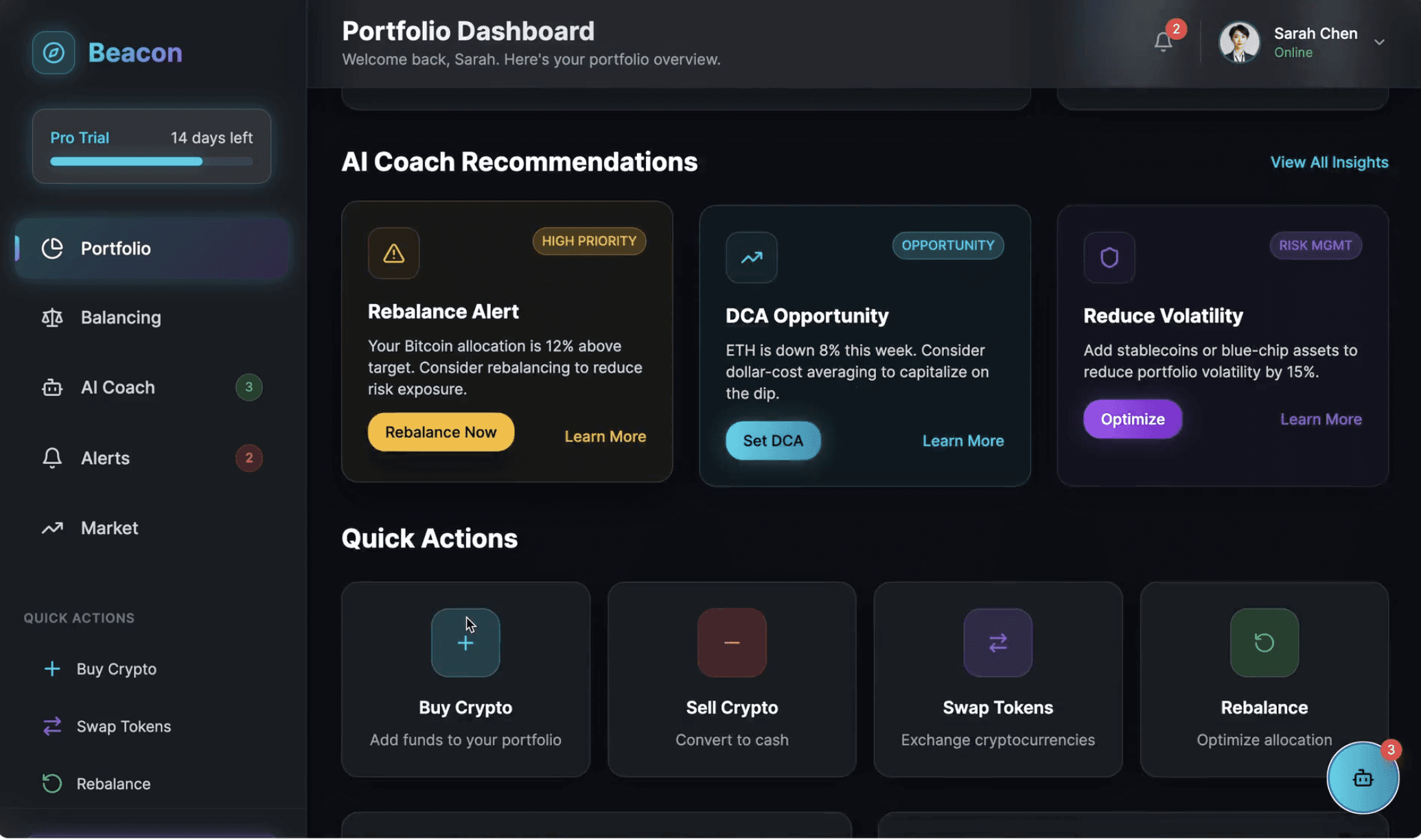
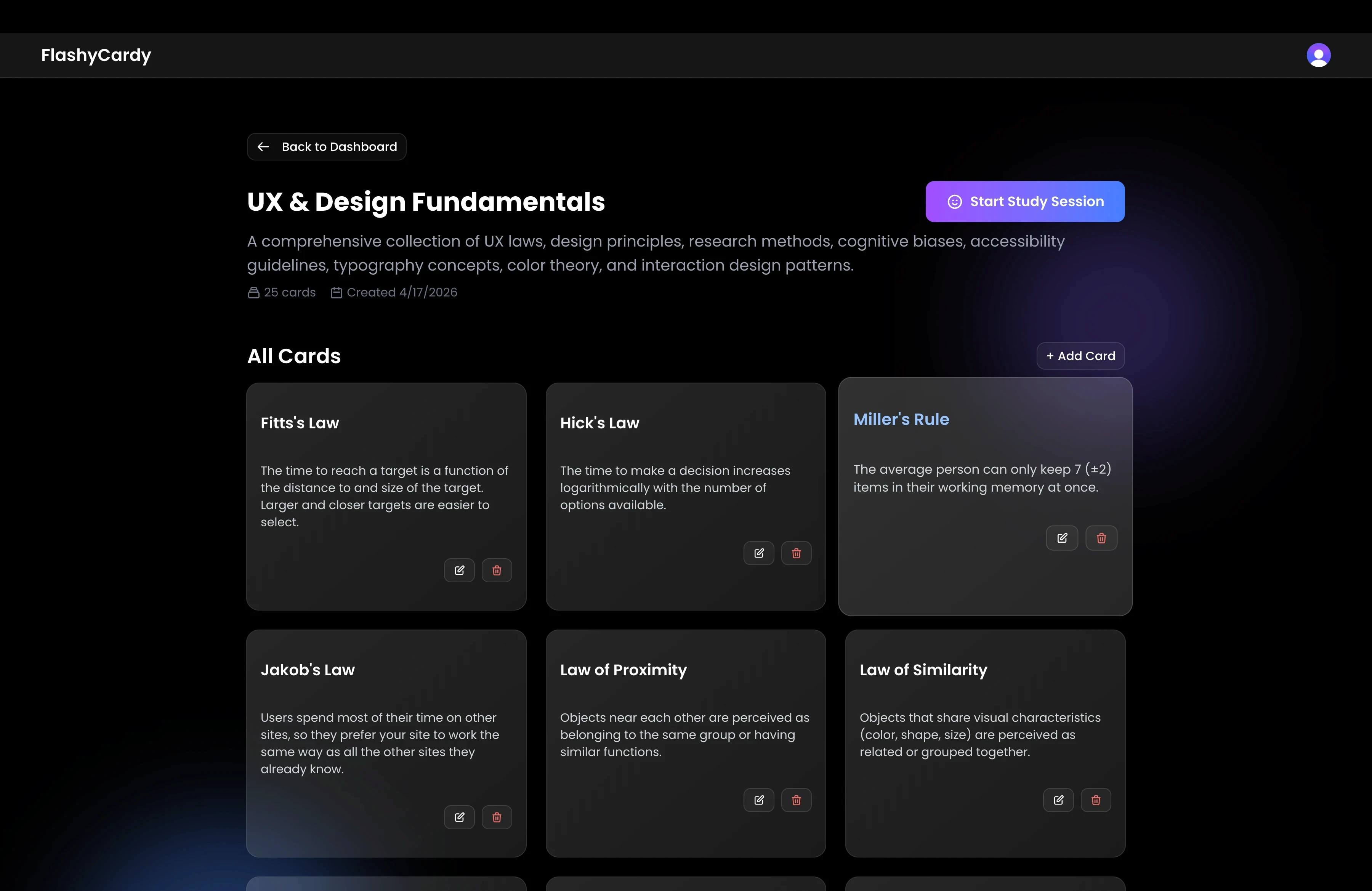
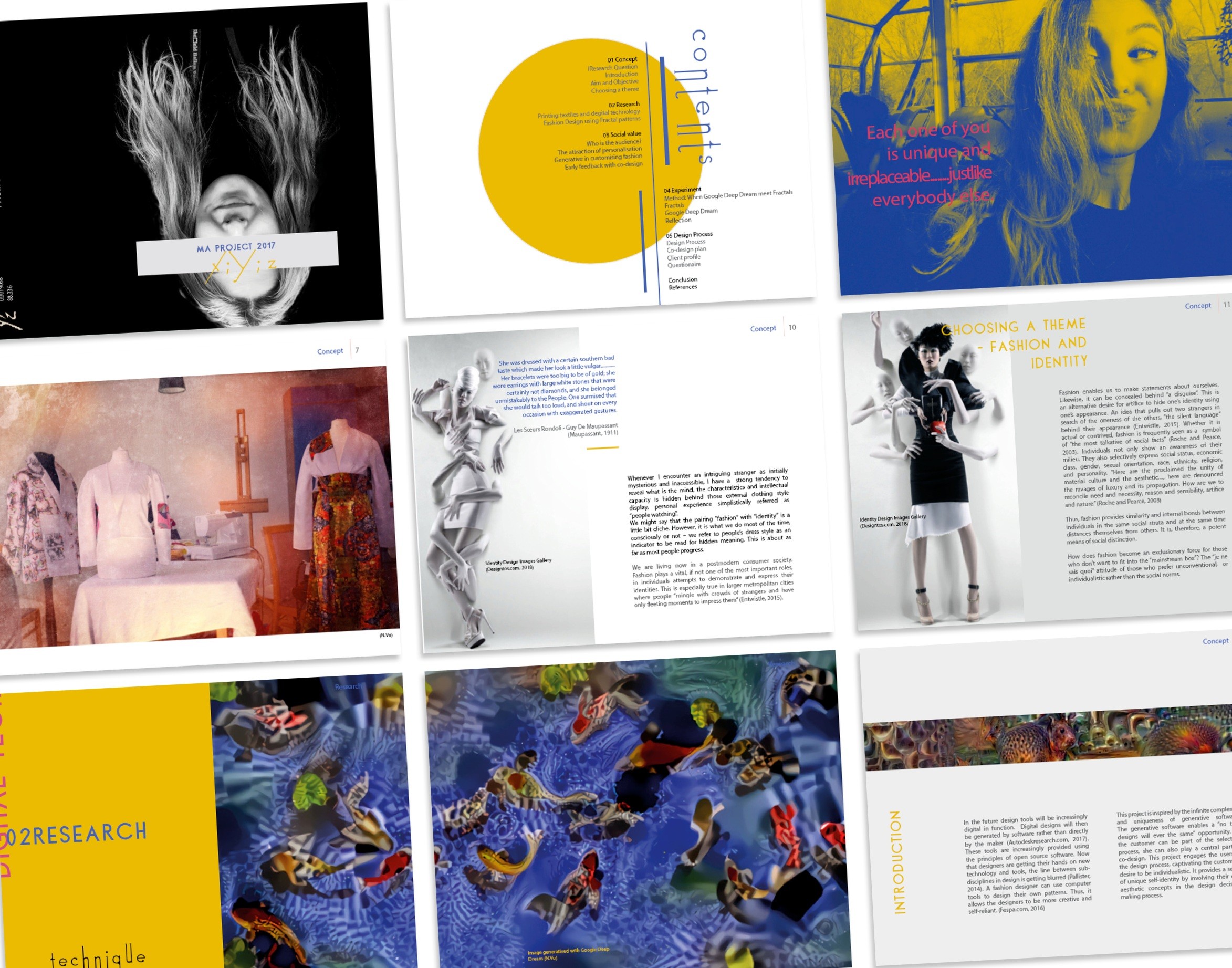
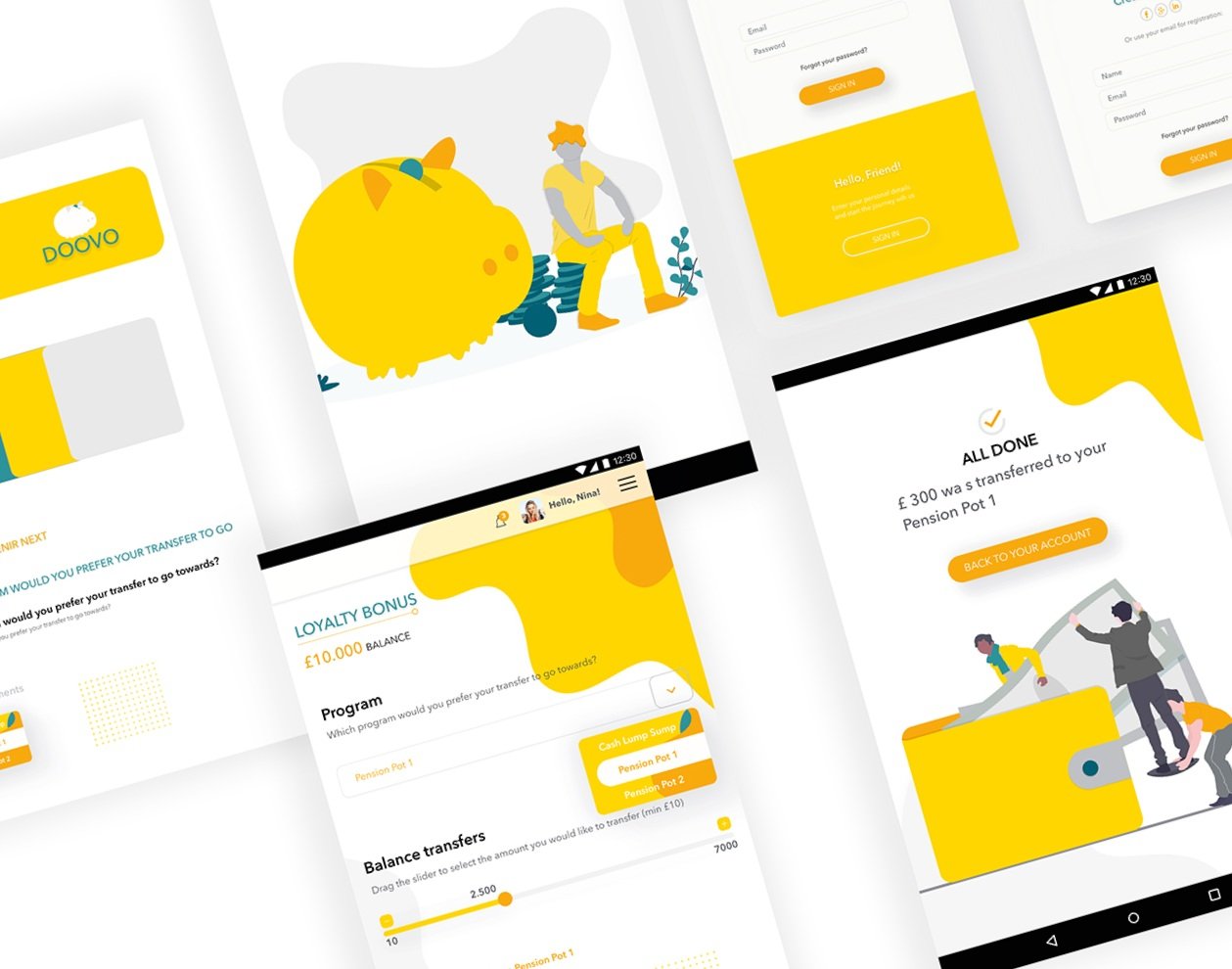
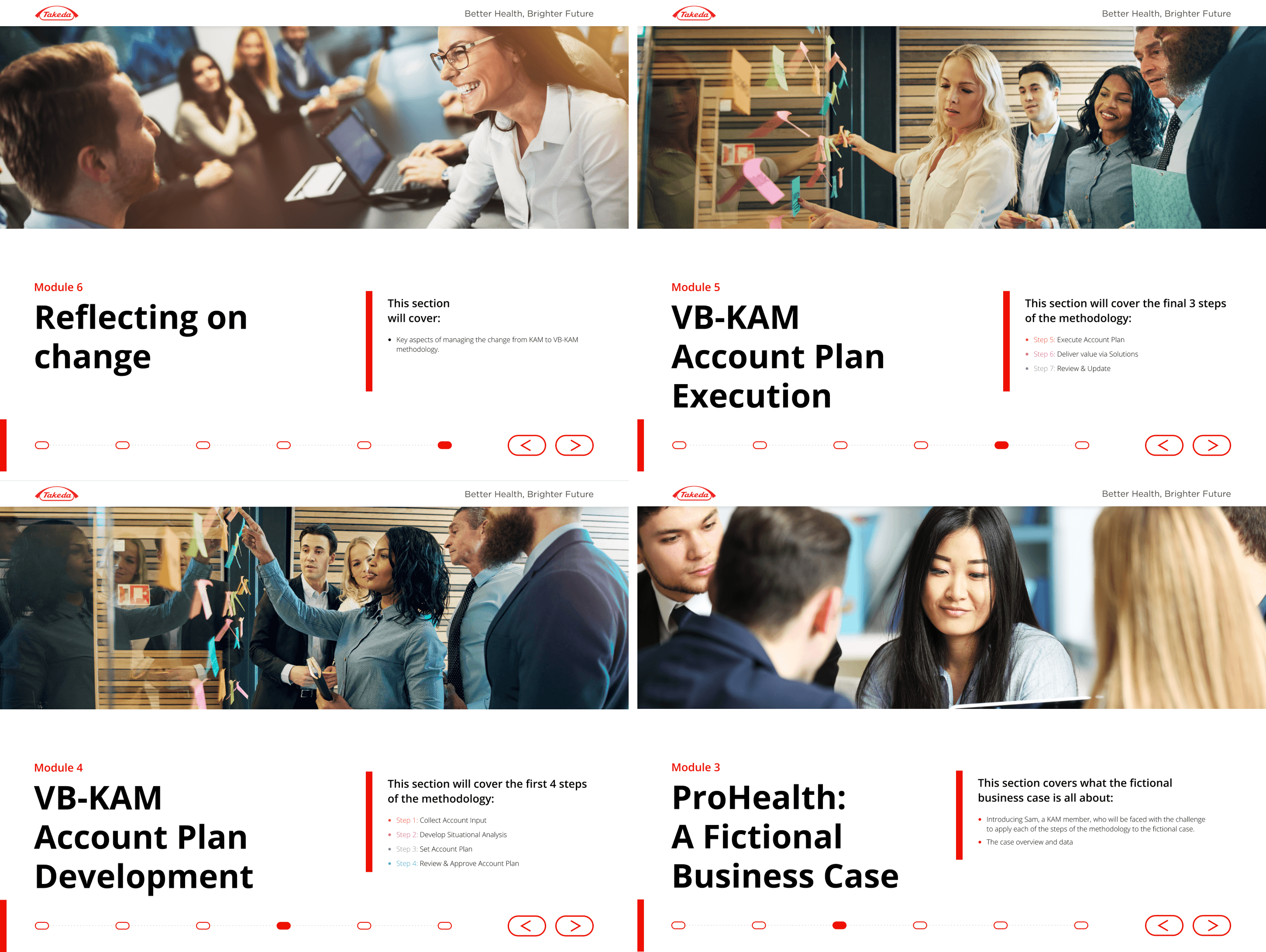
I designed high-fidelity interfaces for Takeda’s enterprise learning platform, ensuring consistency with their design system while supporting complex educational workflows and scalable implementation.
Client
Takeda
Industry
Healthcare / Enterprise SaaS
Year
2019
Services Provided
Product Design, UX Design, Interaction Design, Graphic Design
Overview®
//001
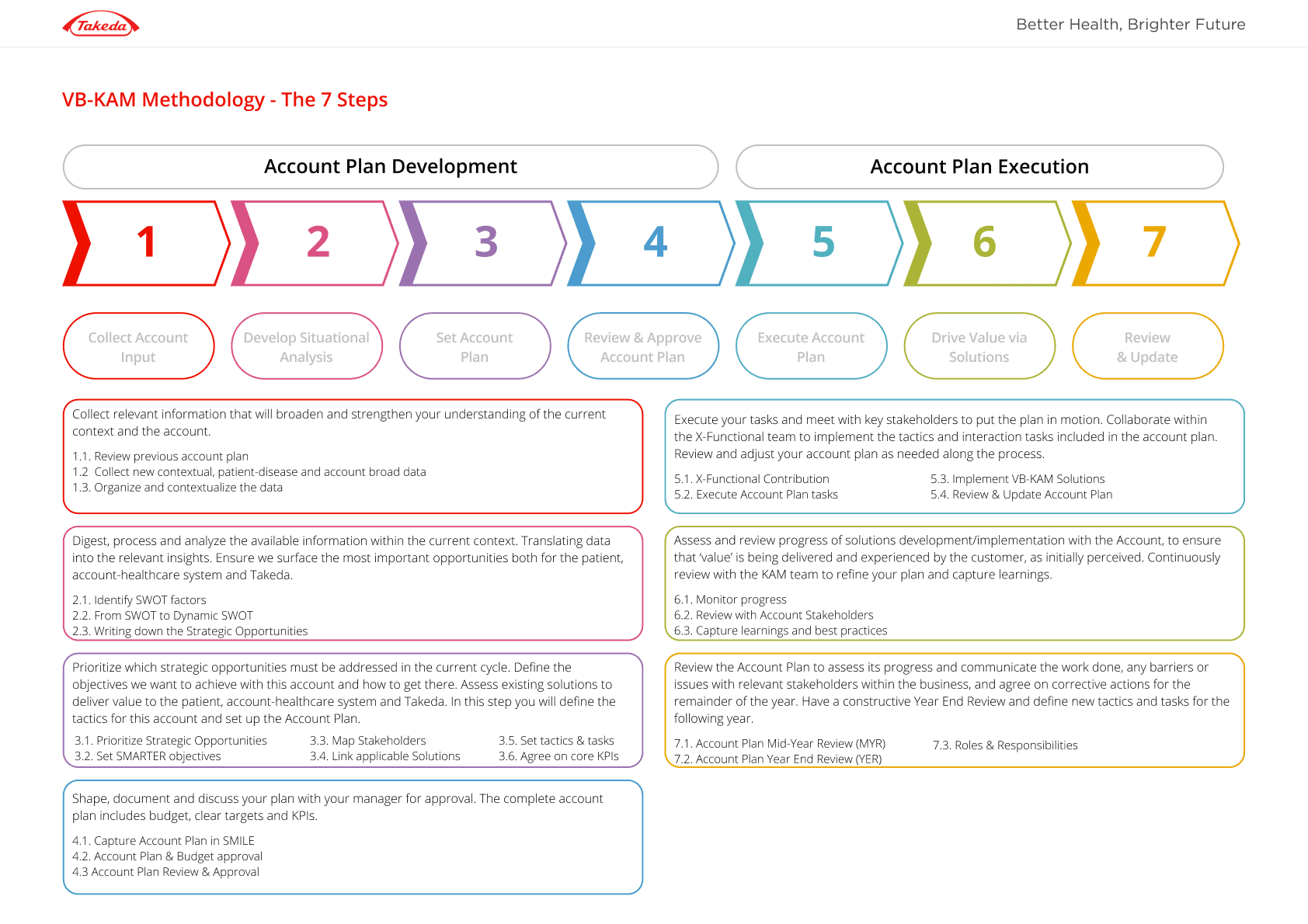
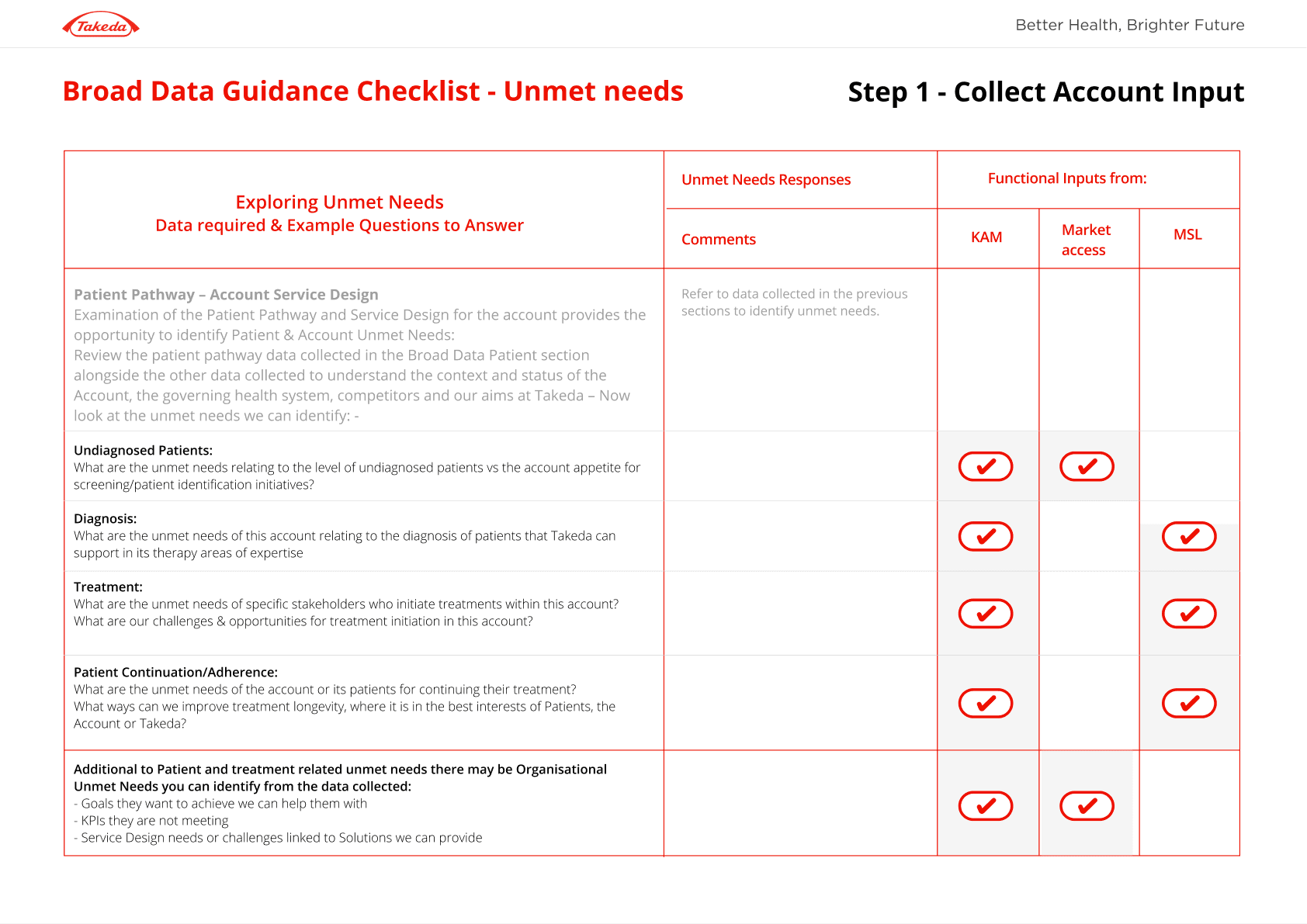
VB KAM is an enterprise e-learning platform designed to support Takeda’s key account managers with structured training, strategic frameworks, and performance development.
My role focused on translating UX wireframes into high-fidelity, production-ready interfaces while ensuring strict adherence to Takeda’s established design system, brand standards, and enterprise requirements.
The challenge was to create a visually cohesive and scalable interface that supported complex educational content while maintaining consistency across the broader Takeda product ecosystem.
takeda’s vb kam®
I designed high-fidelity interfaces for Takeda’s enterprise learning platform, ensuring consistency with their design system while supporting complex educational workflows and scalable implementation.
Client
Takeda
Industry
Healthcare / Enterprise SaaS
Year
2019
Services Provided
Product Design, UX Design, Interaction Design, Graphic Design
Overview®
//001
VB KAM is an enterprise e-learning platform designed to support Takeda’s key account managers with structured training, strategic frameworks, and performance development.
My role focused on translating UX wireframes into high-fidelity, production-ready interfaces while ensuring strict adherence to Takeda’s established design system, brand standards, and enterprise requirements.
The challenge was to create a visually cohesive and scalable interface that supported complex educational content while maintaining consistency across the broader Takeda product ecosystem.
Key Challenges®
//002
The platform needed to deliver structured learning content in a way that was accessible, consistent, and aligned with strict enterprise design constraints.
This created several challenges
The challenge was not just digitizing the form, but redesigning the experience to actively guide users and prevent errors.
Design system constraints required strict compliance
All UI needed to follow predefined typography, color, spacing, and component rules.
//01
Complex educational content needed clear structure
Training modules covered a wide range of topics and required clear hierarchy and navigation.
//02
Visual consistency across the platform was critical
The interface needed to align with Takeda’s broader digital ecosystem and brand identity.
//03
Development handoff required precision and clarity
Designs needed to be production-ready and implemented accurately without ambiguity.
//04
Key Challenges®
//002
The platform needed to deliver structured learning content in a way that was accessible, consistent, and aligned with strict enterprise design constraints.
This created several challenges
The challenge was not just digitizing the form, but redesigning the experience to actively guide users and prevent errors.
Design system constraints required strict compliance
All UI needed to follow predefined typography, color, spacing, and component rules.
//01
Complex educational content needed clear structure
Training modules covered a wide range of topics and required clear hierarchy and navigation.
//02
Visual consistency across the platform was critical
The interface needed to align with Takeda’s broader digital ecosystem and brand identity.
//03
Development handoff required precision and clarity
Designs needed to be production-ready and implemented accurately without ambiguity.
//04
Key Challenges®
//002
The platform needed to deliver structured learning content in a way that was accessible, consistent, and aligned with strict enterprise design constraints.
This created several challenges
The challenge was not just digitizing the form, but redesigning the experience to actively guide users and prevent errors.
Design system constraints required strict compliance
All UI needed to follow predefined typography, color, spacing, and component rules.
//01
Complex educational content needed clear structure
Training modules covered a wide range of topics and required clear hierarchy and navigation.
//02
Visual consistency across the platform was critical
The interface needed to align with Takeda’s broader digital ecosystem and brand identity.
//03
Development handoff required precision and clarity
Designs needed to be production-ready and implemented accurately without ambiguity.
//04

Design Approach®
//003
My focus was to ensure visual clarity, system consistency, and implementation accuracy across the platform.
Rather than treating each screen independently, I approached the project as part of a larger design system.
Designing Within an Enterprise Design System
The platform required strict adherence to Takeda’s design system, including predefined components, typography, and layout rules.
I ensured all interfaces maintained consistency while adapting components to support complex learning workflows and content structures.
//01
Translating Wireframes into Production-Ready UI
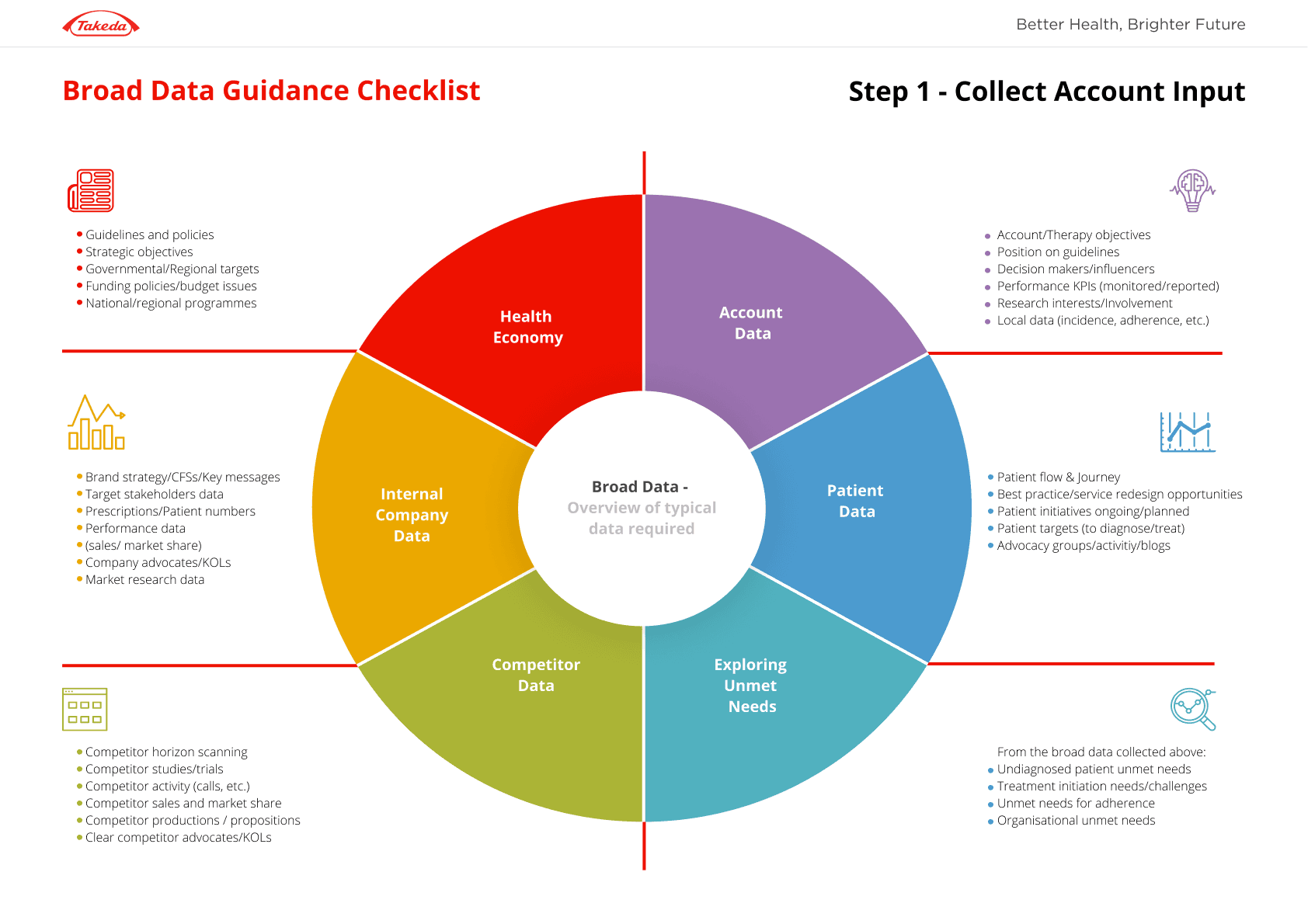
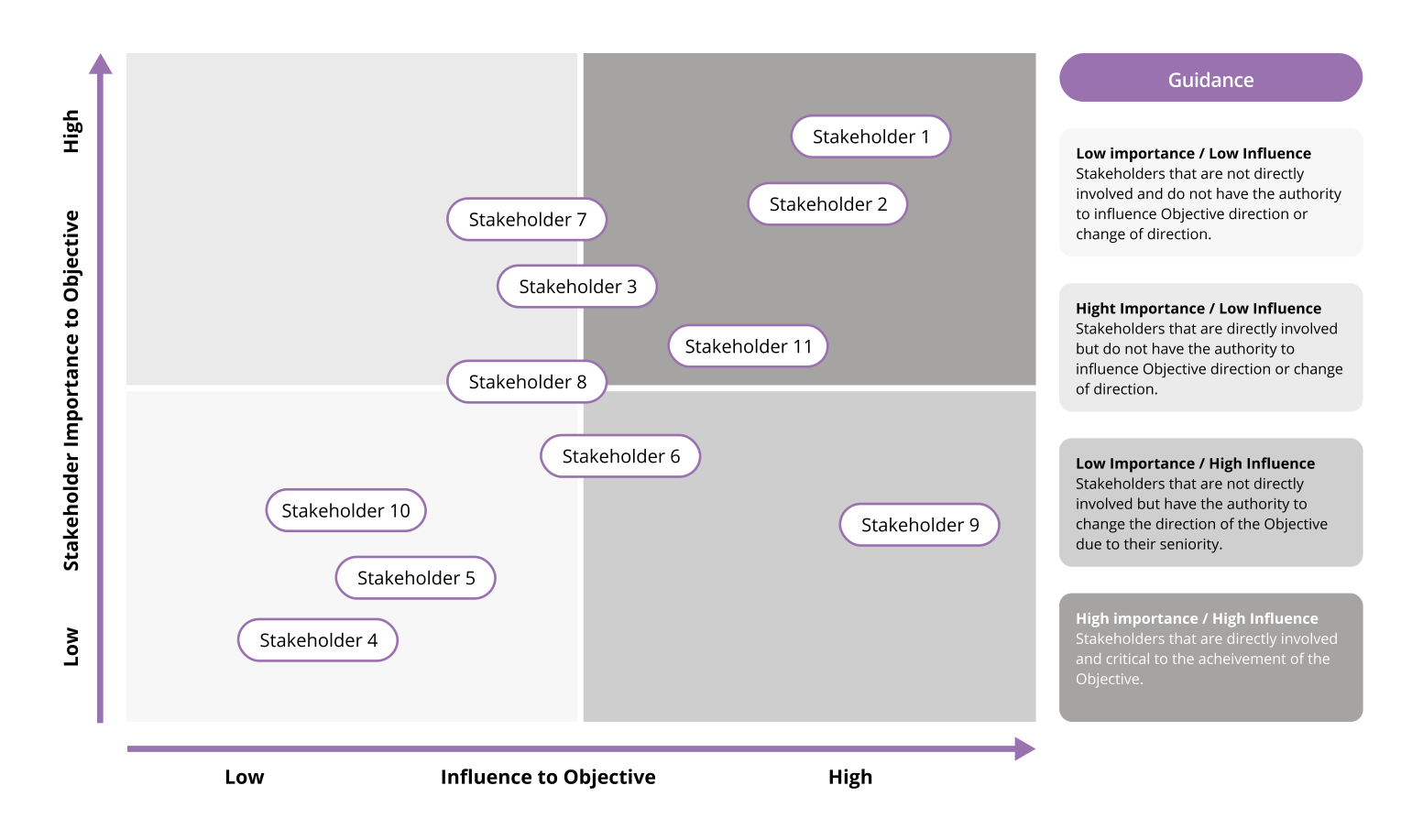
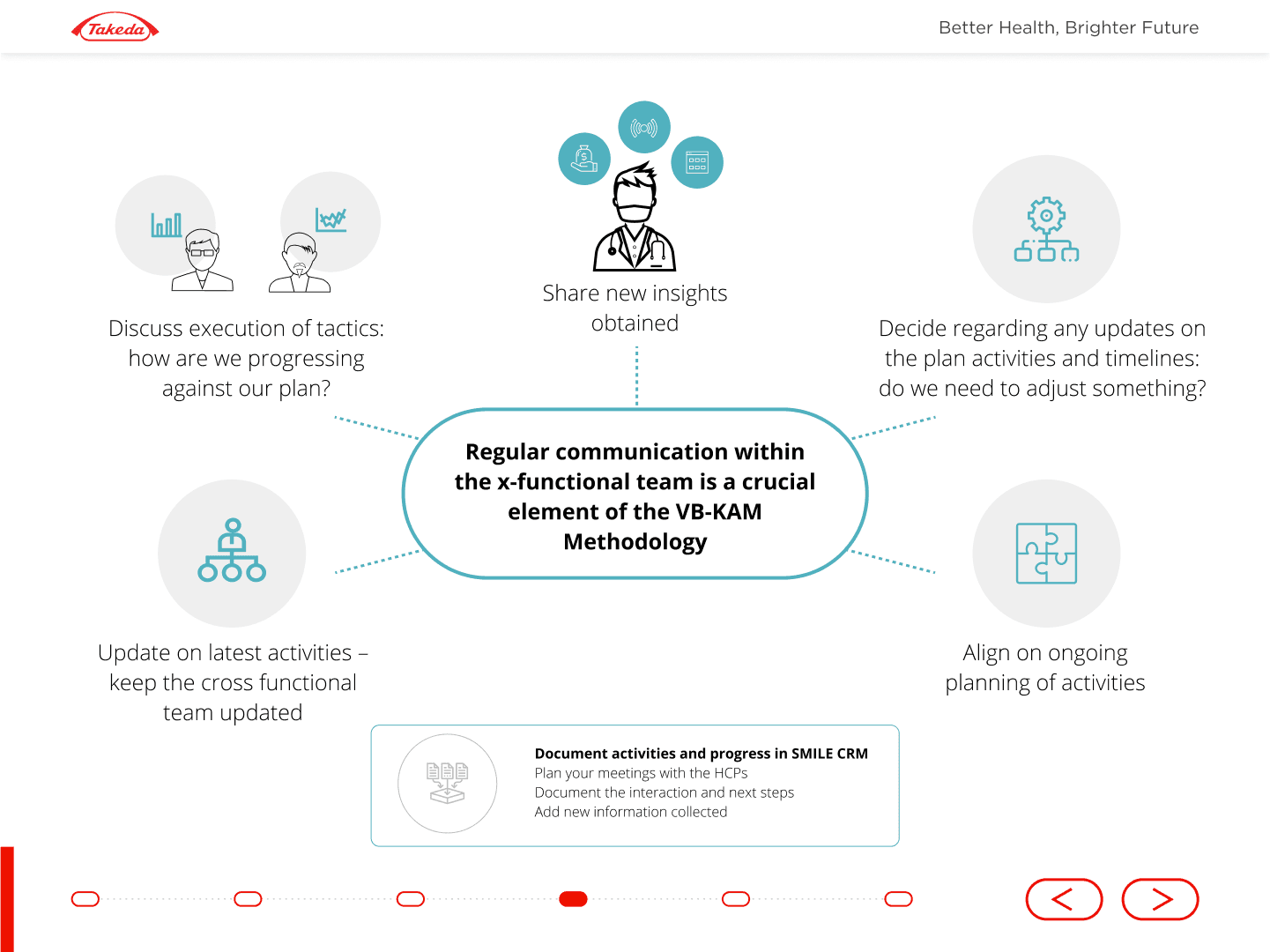
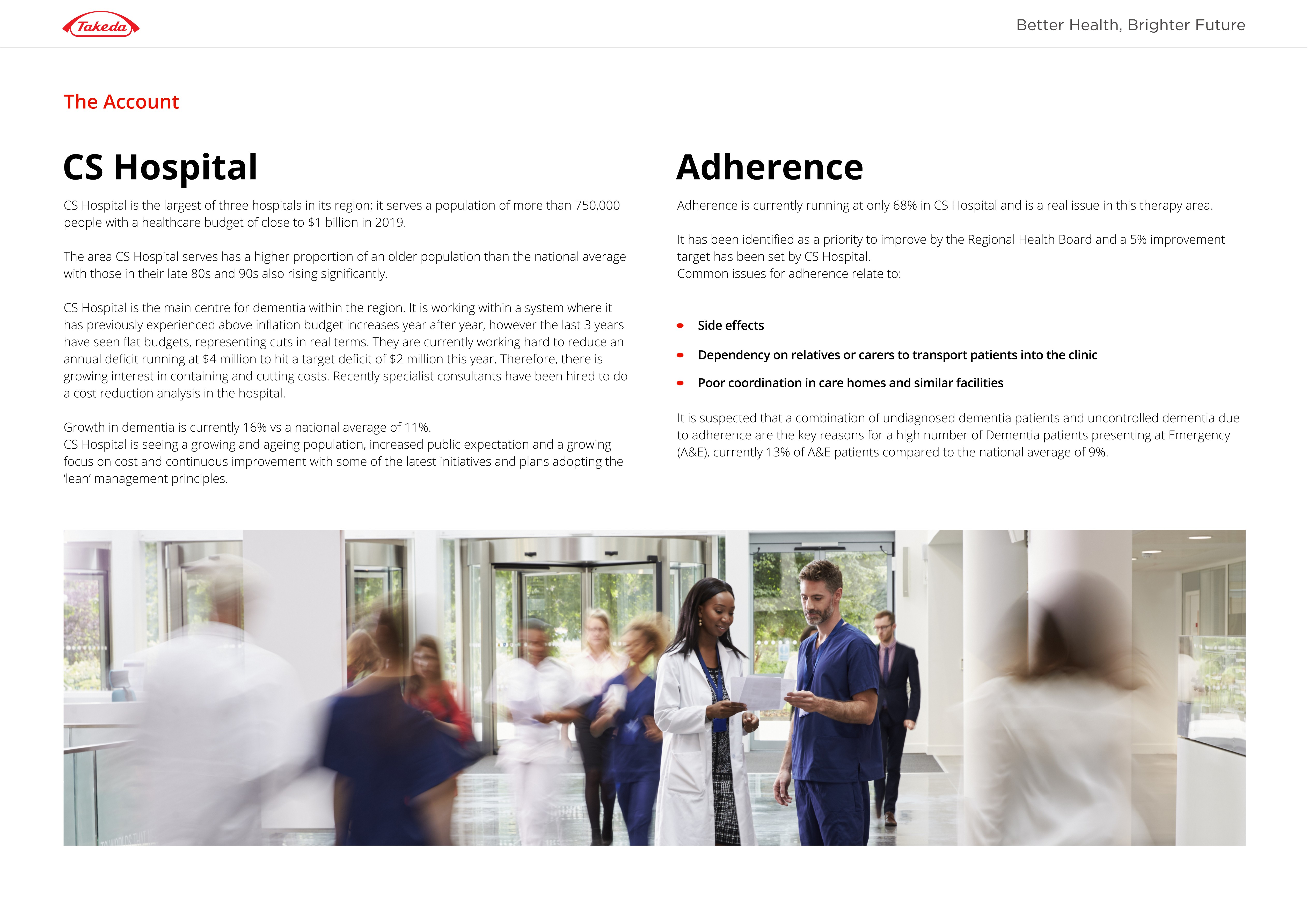
Working from UX wireframes, I created high-fidelity visual designs that balanced clarity, usability, and brand alignment.
This included designing navigation structures, content layouts, and interface elements that supported both clarity and scalability.
//02
Ensuring Implementation Accuracy
I collaborated closely with engineers to ensure the final product matched the intended design.
This included delivering detailed specifications, providing assets, and reviewing implementation to maintain visual and functional integrity.
//03
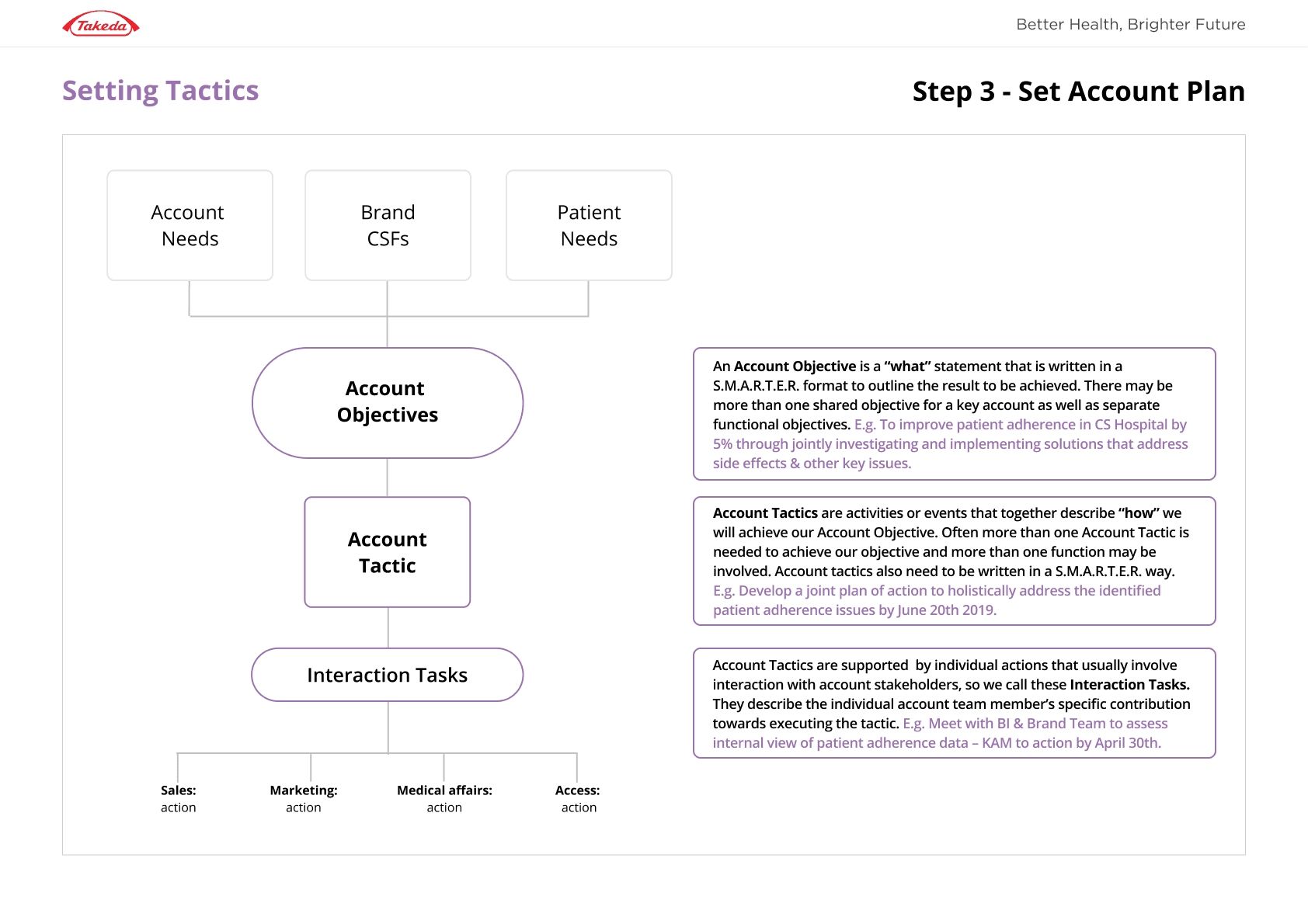
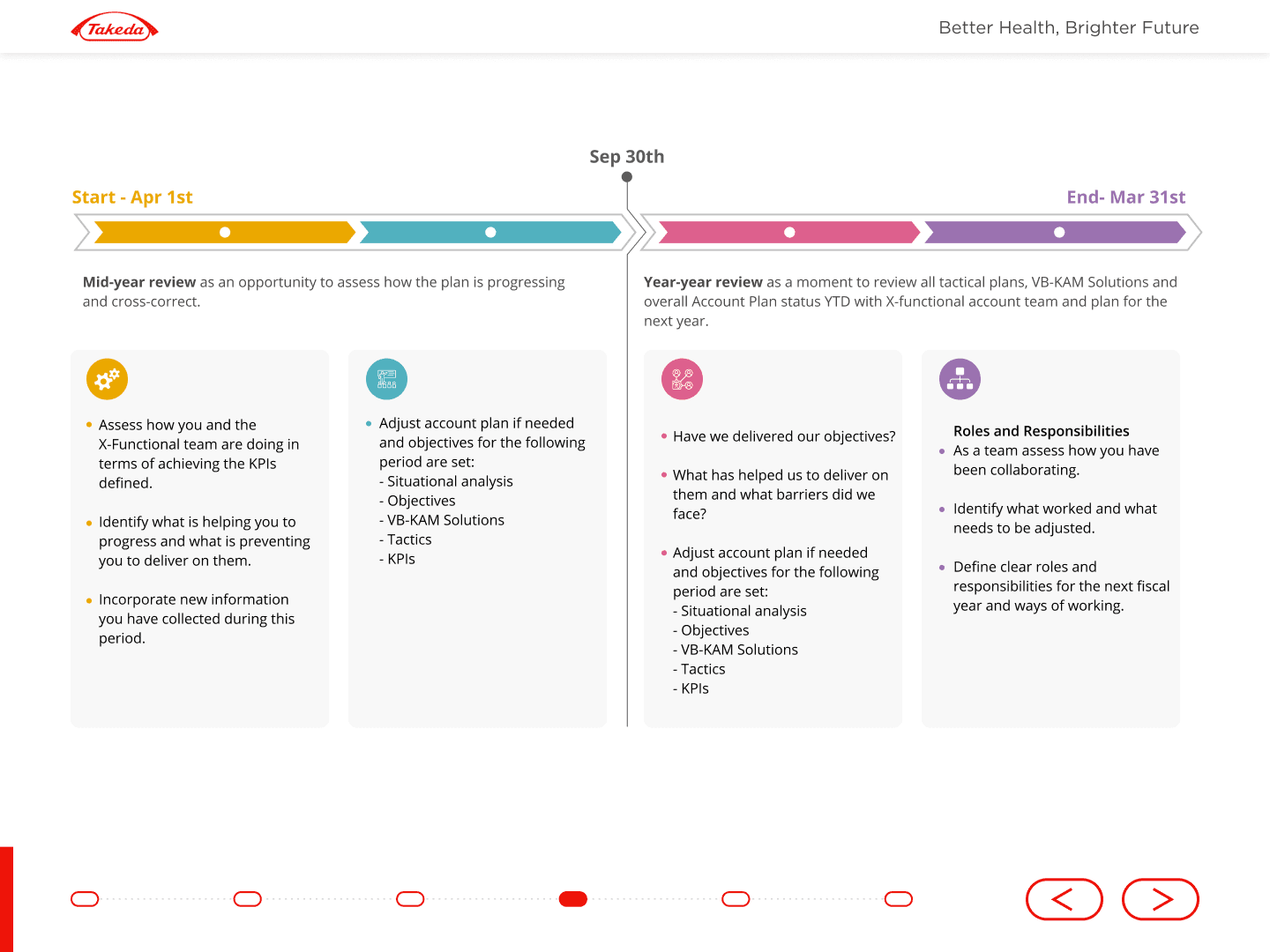
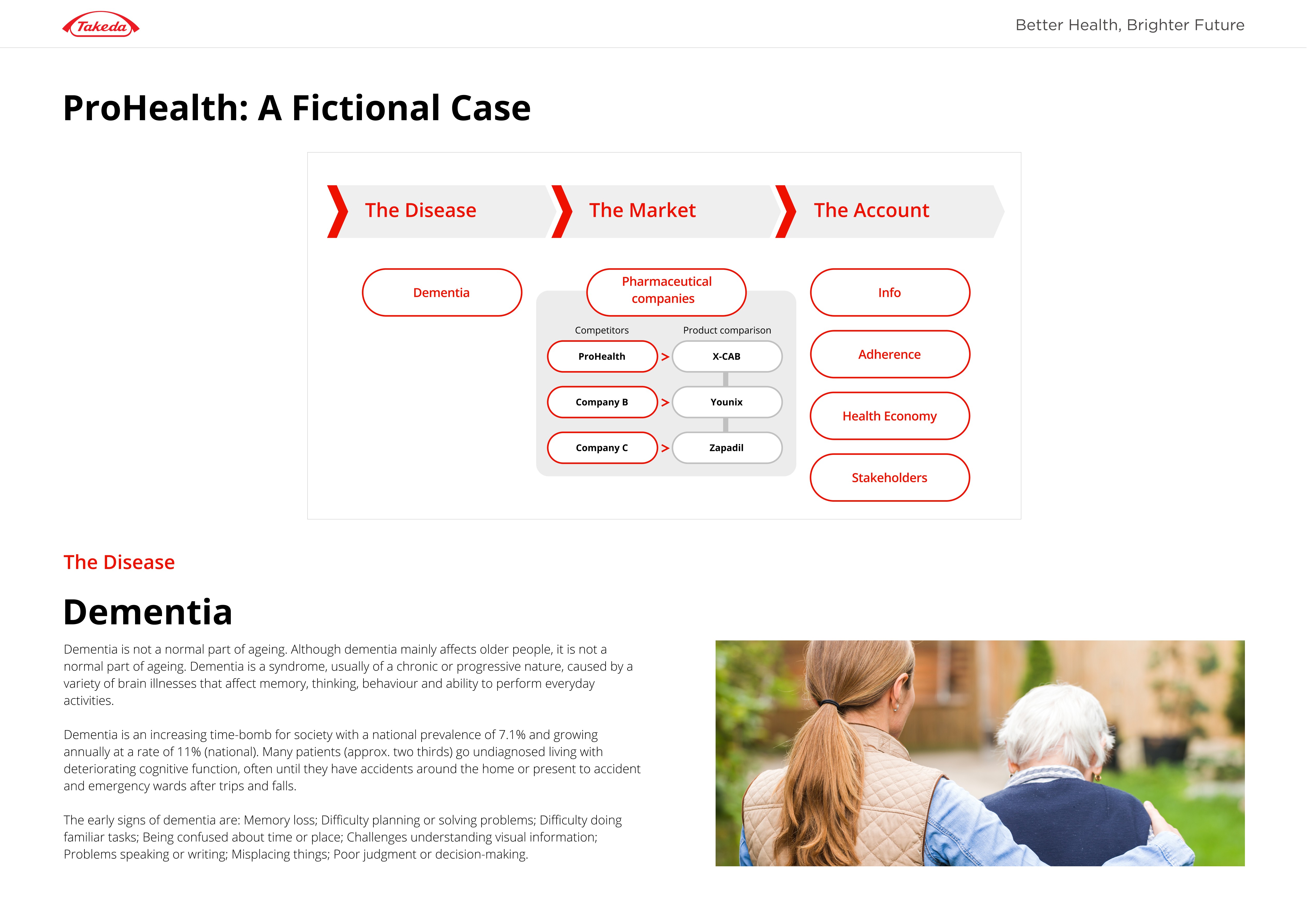
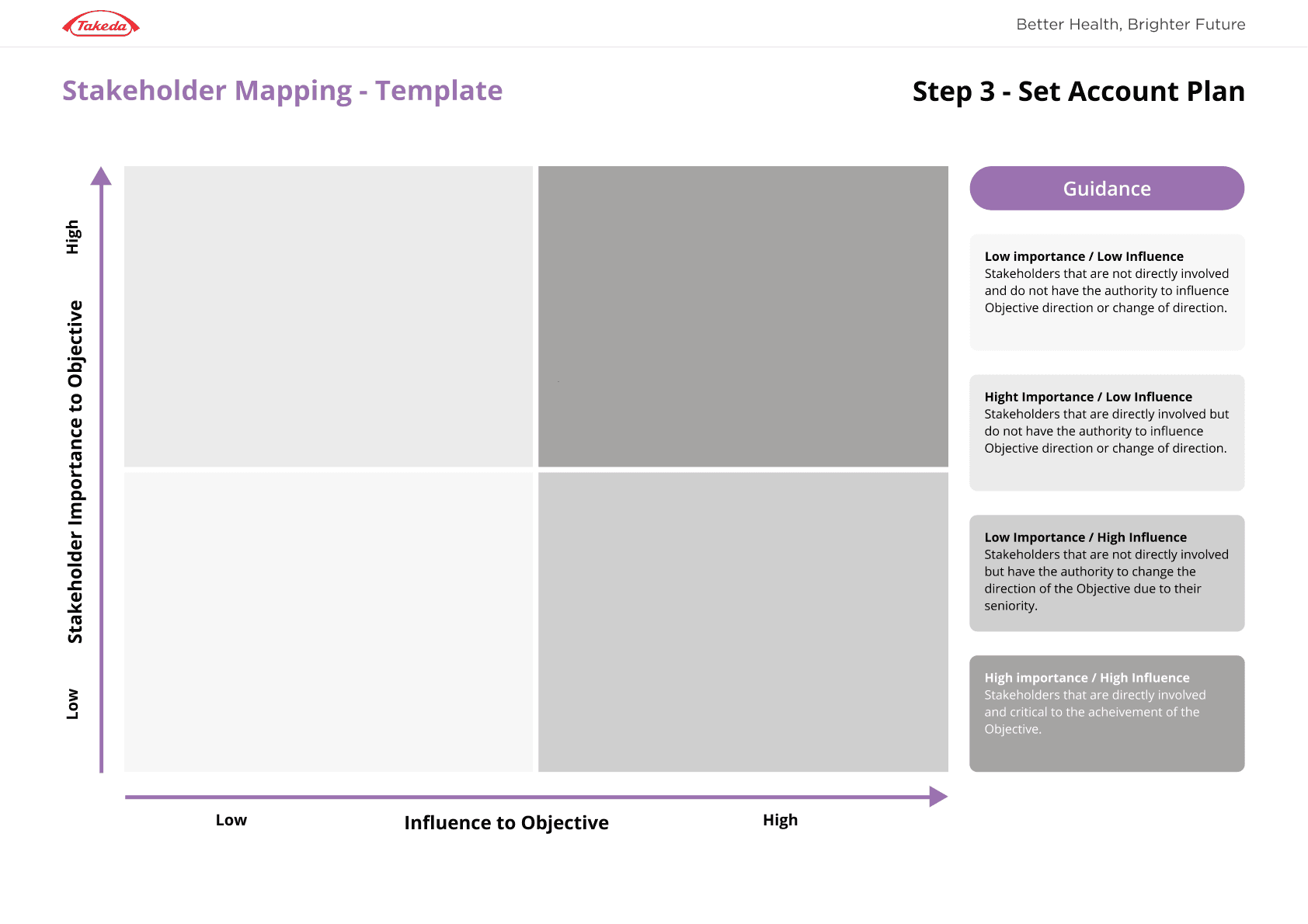
Design Approach®
//003
My focus was to ensure visual clarity, system consistency, and implementation accuracy across the platform.
Rather than treating each screen independently, I approached the project as part of a larger design system.
Designing Within an Enterprise Design System
The platform required strict adherence to Takeda’s design system, including predefined components, typography, and layout rules.
I ensured all interfaces maintained consistency while adapting components to support complex learning workflows and content structures.
//01
Translating Wireframes into Production-Ready UI
Working from UX wireframes, I created high-fidelity visual designs that balanced clarity, usability, and brand alignment.
This included designing navigation structures, content layouts, and interface elements that supported both clarity and scalability.
//02
Ensuring Implementation Accuracy
I collaborated closely with engineers to ensure the final product matched the intended design.
This included delivering detailed specifications, providing assets, and reviewing implementation to maintain visual and functional integrity.
//03
Design Approach®
//003
My focus was to ensure visual clarity, system consistency, and implementation accuracy across the platform.
Rather than treating each screen independently, I approached the project as part of a larger design system.
Designing Within an Enterprise Design System
The platform required strict adherence to Takeda’s design system, including predefined components, typography, and layout rules.
I ensured all interfaces maintained consistency while adapting components to support complex learning workflows and content structures.
//01
Translating Wireframes into Production-Ready UI
Working from UX wireframes, I created high-fidelity visual designs that balanced clarity, usability, and brand alignment.
This included designing navigation structures, content layouts, and interface elements that supported both clarity and scalability.
//02
Ensuring Implementation Accuracy
I collaborated closely with engineers to ensure the final product matched the intended design.
This included delivering detailed specifications, providing assets, and reviewing implementation to maintain visual and functional integrity.
//03
Design Approach®
//003
My focus was to ensure visual clarity, system consistency, and implementation accuracy across the platform.
Rather than treating each screen independently, I approached the project as part of a larger design system.
Designing Within an Enterprise Design System
The platform required strict adherence to Takeda’s design system, including predefined components, typography, and layout rules.
I ensured all interfaces maintained consistency while adapting components to support complex learning workflows and content structures.
//01
Translating Wireframes into Production-Ready UI
Working from UX wireframes, I created high-fidelity visual designs that balanced clarity, usability, and brand alignment.
This included designing navigation structures, content layouts, and interface elements that supported both clarity and scalability.
//02
Ensuring Implementation Accuracy
I collaborated closely with engineers to ensure the final product matched the intended design.
This included delivering detailed specifications, providing assets, and reviewing implementation to maintain visual and functional integrity.
//03

Final Outcome
//004
The final platform delivered a visually cohesive, scalable interface aligned with Takeda’s enterprise design standards.
Consistent and scalable interface
The platform maintained alignment with Takeda’s design system across all modules.
Improved clarity and usability
Structured layouts and visual hierarchy made complex learning content easier to navigate.
Production-ready implementation
Designs were successfully implemented with high fidelity and minimal iteration.
Enterprise-level design quality
The platform met strict brand, usability, and system requirements for internal enterprise use.

Final Outcome
//004
The final platform delivered a visually cohesive, scalable interface aligned with Takeda’s enterprise design standards.
Consistent and scalable interface
The platform maintained alignment with Takeda’s design system across all modules.
Improved clarity and usability
Structured layouts and visual hierarchy made complex learning content easier to navigate.
Production-ready implementation
Designs were successfully implemented with high fidelity and minimal iteration.
Enterprise-level design quality
The platform met strict brand, usability, and system requirements for internal enterprise use.
Final Outcome
//04
The final platform delivered a visually cohesive, scalable interface aligned with Takeda’s enterprise design standards.
Consistent and scalable interface
The platform maintained alignment with Takeda’s design system across all modules.
Improved clarity and usability
Structured layouts and visual hierarchy made complex learning content easier to navigate.
Production-ready implementation
Designs were successfully implemented with high fidelity and minimal iteration.
Enterprise-level design quality
The platform met strict brand, usability, and system requirements for internal enterprise use.

Explore Projects